Bespoke Autism Service
A Unique Service
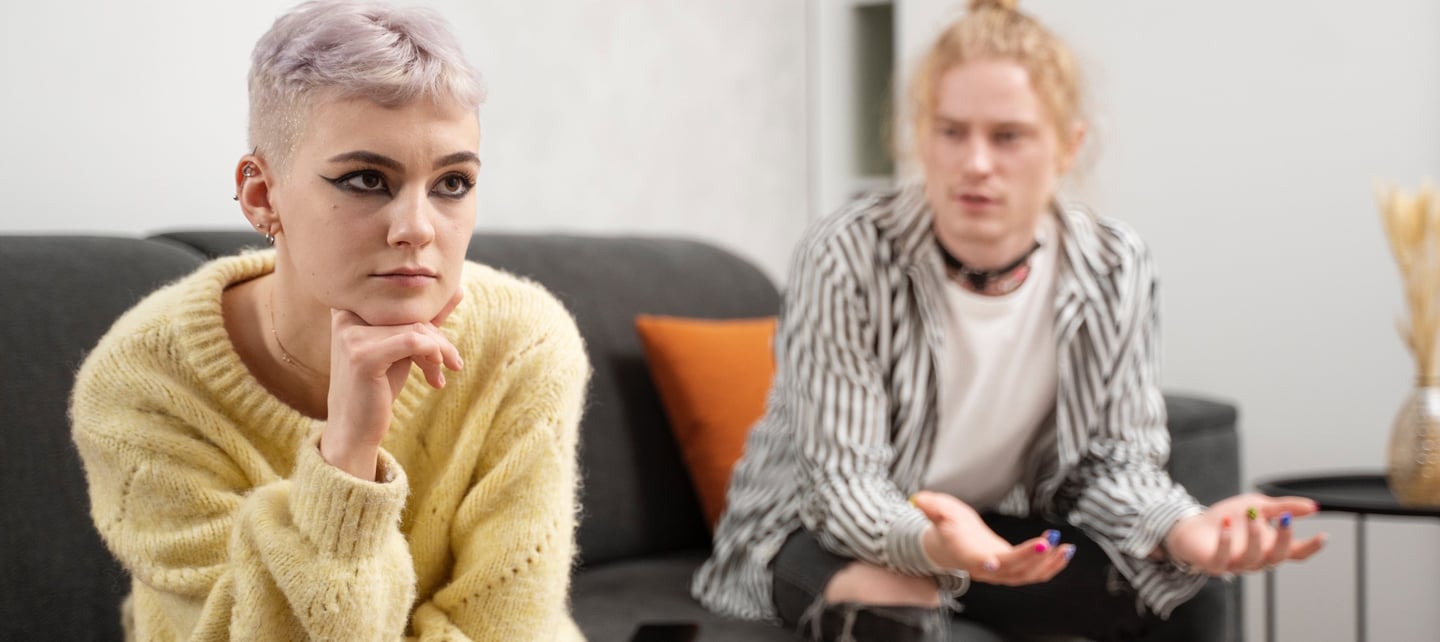
Being in a relationship where one or both partners are autistic can be challenging.
I have extensive experience in working with neurodivergent people who are struggling to relate or talk through issues and expectations. It doesn't matter if you have an official diagnosis, I can offer a unique service tailored to you and your partner.
Coming to counselling may feel like an overwhelming prospect. I will work with you to ensure the counselling environment and the way we talk things through feels as comfortable as possible.
Specialised training:
Counselling Relationships Affected by High Functioning Autism: Understanding and Working with Neurodiversity - Maxine Aston
Asperger Syndrome in the Bedroom - Maxine Aston
Understanding and supporting children using SPELL and supporting families - National Autistic Society


Autism challenges in romantic relationships often stem from differences in communication, sensory processing, and social expectations, leading to misunderstandings, potential emotional disconnection, and friction over routines. Key issues include interpreting nonverbal cues, needing alone time, rigidness, and unique intimacy challenges
Key Relationship Challenges
Communication Differences: Autistic partners may communicate directly, taking things literally, and struggling to interpret subtle nonverbal cues, facial expressions, or sarcasm, which can lead to misinterpretations.
Social and Emotional Misunderstandings: Autistic individuals may not express emotions in conventional ways or may have trouble identifying their own emotions (alexithymia), which can be wrongly interpreted as a lack of empathy or care.
Sensory Sensitivities: Intense reactions to lights, sounds, smells, or touch can make common dating environments overwhelming and directly affect physical intimacy, requiring sensory-friendly adjustments.
Need for Routine and Predictability: Dependence on structure can clash with the spontaneity often expected in dating, leading to conflict when unexpected changes arise.
Social Exhaustion and Need for Space: Autistic people often need alone time for regulation, which can be misconstrued by partners as disinterest.
Intimacy and Affection: Physical touch, sexual intimacy, and expressing affection (e.g., saying "I love you") may be different between partners.
PDA (Pathological Demand Avoidance): When stressed, an autistic person may come across as controlling or dominant, which can cause conflict in decision-making.
Navigating Challenges
Fostering a healthy relationship involves recognising these differences as neurodivergent needs rather than personal flaws or illustrations of being uncaring. Success often requires open, direct communication about specific needs, finding a way to name and share emotions, and building an understanding of each other's unique perspectives.
You will not be judged during the counselling. Your counsellor is trained to work with your fears of coming to counselling. She understands how overwhelming it might seem and will work hard to help you voice your thoughts and emotions.
Autistic individuals often experience and express love and connection in ways that can differ from neurotypical expectations.
Communication for autistic people in relationships tends to be direct and literal; understanding nonverbal cues can sometimes be a challenge.
Emotional expression might be different, with some autistic individuals finding it easier to show affection through actions or shared interests rather than overt verbal or physical displays.
Sensory sensitivities can play a significant role in comfort levels with physical touch, environments, and shared spaces.
Strong interests and a preference for routines are common in autism and can be integral parts of an autistic person's life and relationships.
Honesty, clarity, and acceptance are often highly valued by autistic individuals in their romantic partnerships.
Misunderstandings can arise due to differences in communication styles and social interpretation, but these can be navigated with effort from both partners.
Get in touch with Isabelle Page
WhatsApp/phone
+447438 597913
© 2026. All rights reserved Isabelle Page | Privacy policy